
CEPF is a joint initiative of l’Agence Française de Développement, Conservation International, the European Union, Fondation Hans Wilsdorf, the Global Environment Facility, the Government of Canada, the Government of Japan and the World Bank. A fundamental goal is to ensure civil society is engaged in biodiversity conservation.
Visitez le site français コア情報の日本語翻訳を読むOr use Google Translate to translate the English site to your language:
GTranslate
Regional Implementation Team (RIT)
Investment
Eligible Countries
Ecosystem Profile
Stats
CEPF Strategy Strategy
About this hotspot About
Regional Implementation Team (RIT)
Investment
Eligible Countries
Ecosystem Profile
The Eastern Afromontane Biodiversity Hotspot's ecosystems provide tens of millions of people with fresh water and other ecosystem services that are essential to their survival. Despite its wealth in natural resources, the region is characterized by intense and pervasive poverty. The grip of poverty impedes sound, sustainable development as local people and governments adopt development models and initiatives that yield short-term, unsustainable gains.
CEPF provides funding to civil society in the hotspot that complements funds going to government agencies and inspires innovative conservation activities, in particular those that demonstrate the link between biodiversity benefits and sound development.
By integrating conservation and sustainable development activities, and by providing funds to mainstream biodiversity conservation into government plans and policies as well as private sector initiatives, CEPF will augment efforts to address the immediate threats of poverty and unsustainable development while contributing to long-term conservation in the hotspot.
Note: Some additional conservation projects in this hotspot were funded via a CEPF investment in a former biodiversity hotspot, the Eastern Arc Mountains and Coastal Forests of Tanzania and Kenya, from 2004 to 2014. For more information on that investment, see the Eastern Arc Mountains and Coastal Forests Ecosystem Profile (PDF - 1 MB).
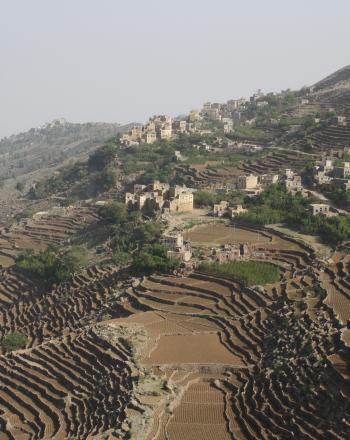
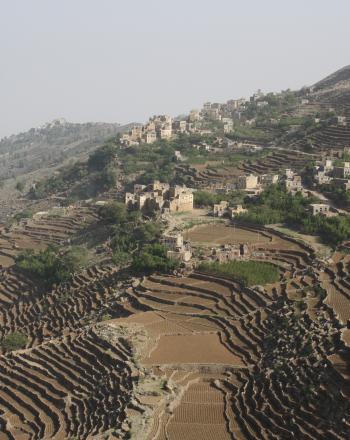
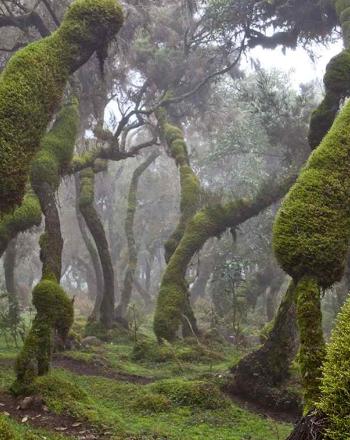
The Eastern Afromontane Biodiversity Hotspot reaches from the top of four mountain ranges (including the highest peaks in Africa and Arabia) down to large plateaus. Given this and the extensive distance of the hotspot, which stretches over 44 degrees latitude, the Eastern Afromontane is home to a variety of ecosystems—bamboo forests, grasslands and high altitude wetlands among them. In addition, the geological turmoil that created the region's mountains has also yielded some of the world's most extraordinary lakes, where a vast amount of freshwater fish diversity can be found.
About 1,300 bird species are found in the hotspot, as are nearly 500 mammal species, including the iconic but Critically Endangered mountain gorilla (Gorilla beringei beringei).
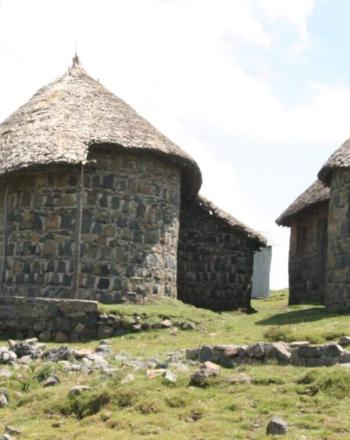
The rich biological diversity in the hotspot is mirrored by the massive ecosystem services it provides, including water for vast areas of Eastern Africa and the Arabian Peninsula. There is also enormous cultural, linguistic, historical and religious diversity within the hotspot, which includes one of the richest countries in the world along with some of the poorest countries.