
CEPF is a joint initiative of l’Agence Française de Développement, Conservation International, the European Union, Fondation Hans Wilsdorf, the Global Environment Facility, the Government of Canada, the Government of Japan and the World Bank. A fundamental goal is to ensure civil society is engaged in biodiversity conservation.
Visitez le site français コア情報の日本語翻訳を読むOr use Google Translate to translate the English site to your language:
GTranslate
Investment
Eligible Countries
Ecosystem Profile
Stats
CEPF Strategy Strategy
About this hotspot About
Investment
Eligible Countries
Ecosystem Profile
Unprecedented economic growth brings the promise of development to millions of people in the Tropical Andes Hotspot, but it also comes with potentially large environmental and social costs.
CEPF is working to ensure that the Andes’ outstanding biodiversity and important ecosystem services are conserved longterm in its highest priority areas, while promoting development approaches that are compatible with environmental and social sustainability.
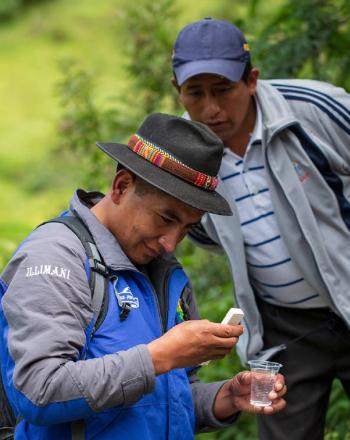
We are currently focusing on integrating two crossing-cutting themes into our grant-making: mainstreaming climate change resilience and strengthening capacities for Indigenous people and Afro-descendants. Only by building the capacity of these civil society partners will sustainable results be achieved.
Covering an area three times the size of Spain, the Tropical Andes Biodiversity Hotspot extends from western Venezuela to northern Chile and Argentina, and includes large portions of Colombia, Ecuador, Peru and Bolivia.
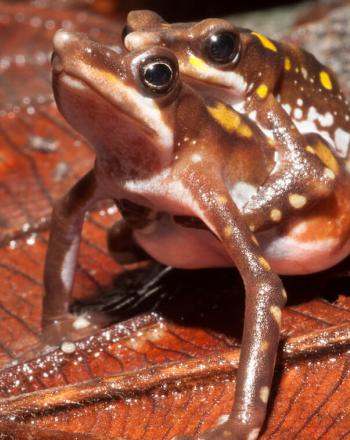
The Tropical Andes is the most biologically diverse of all the hotspots and contains about one-sixth of all plant life on the planet, including 30,000 species of vascular plants. The region also has the largest variety of amphibian, bird and mammal species, and takes second place to the Mesoamerica Hotspot for reptile diversity.
The Andes Mountains are South America’s water towers, serving as the water source for the main stems of both the Amazon and Orinoco rivers. These rivers provide water for numerous cities, including four national capitals.
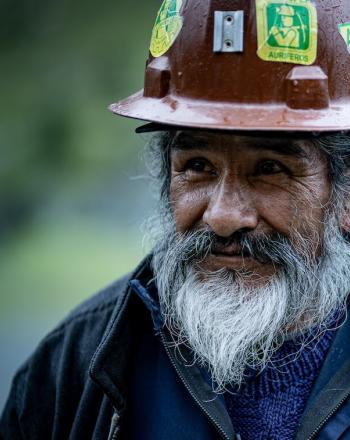
With more than 40 Indigenous groups, cultural diversity in the hotspot is exceptional, too. These communities play a critical role in economic activities, politics and land use. As such, they are important allies in biodiversity conservation. Moreover, lands owned or reserved for Indigenous peoples and communities represent more than 52 percent of the hotspot’s land area.